Accessible health monitoring for mobility-limited patients — starting at home.
We are building the devices and the data platform that let people track basic health signals where they actually live, beginning with a measurement most workflows still miss for more than 12 million Americans: weight.
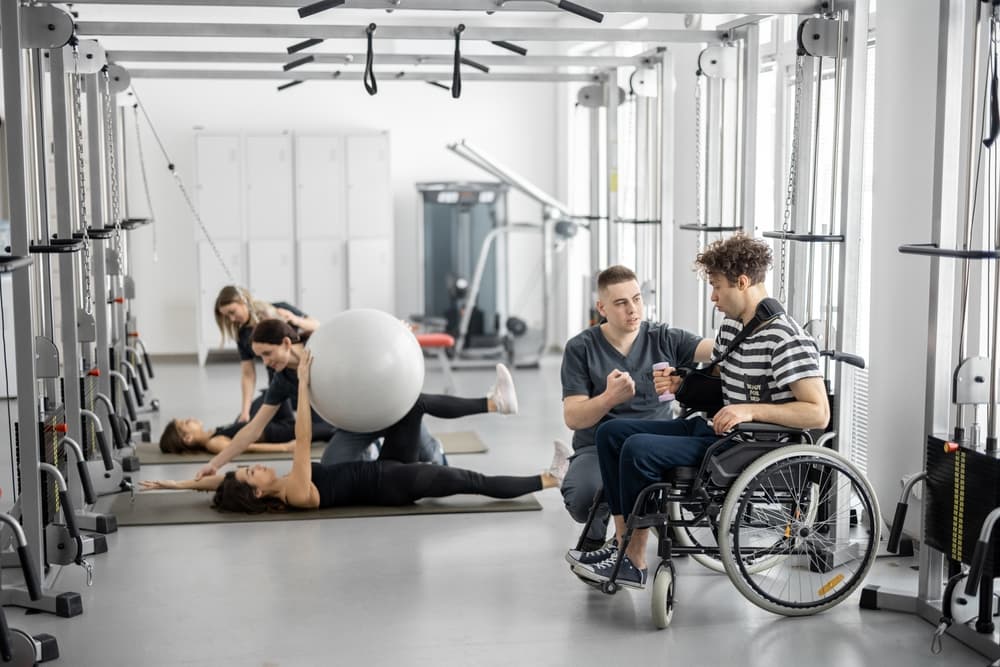
Care moved into the home. The tools didn't follow.
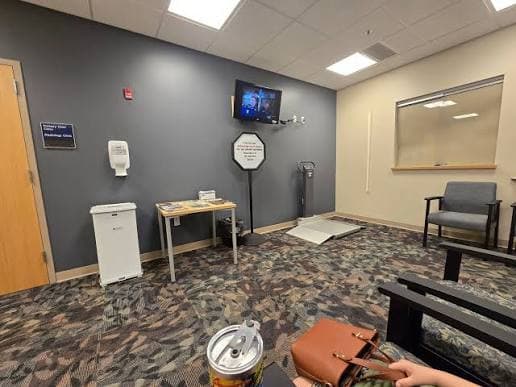
As healthcare continues to move beyond hospitals and into the home, millions of patients are left without the tools needed to track basic health signals consistently.
For individuals with limited mobility, even something as simple as measuring weight can be difficult or impossible outside of a clinical setting. Almost every scale ever made assumes you can stand on it. When you can't, a thirty-second measurement becomes a transfer, a trip, a scheduling problem — or a number that never gets recorded at all.
We exist to close that gap.
Two products. One idea: the person stays in their chair.
Fold is personal and portable. Slate is professional and placed. Both capture a roll-on reading without a transfer.
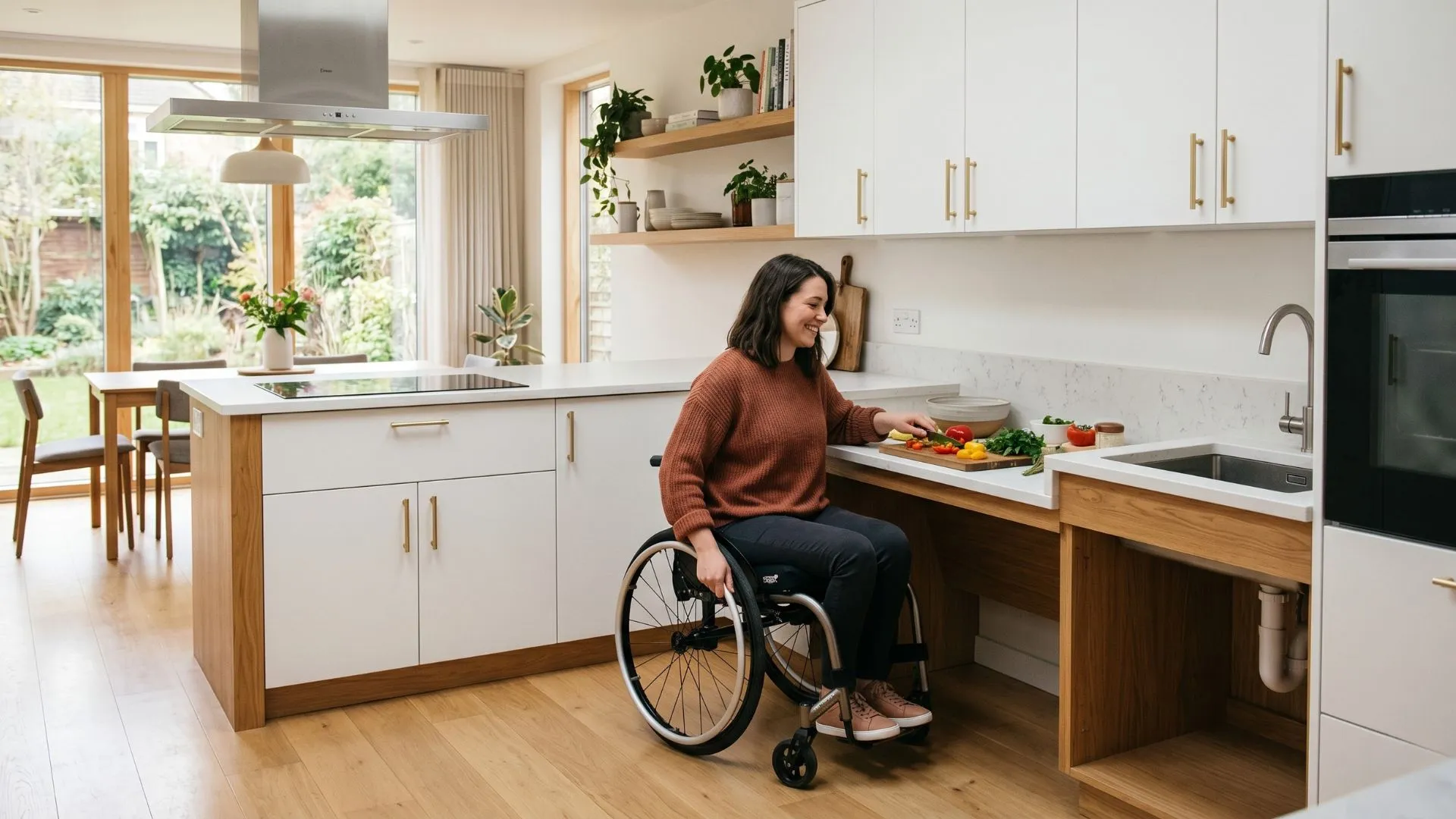
For home
The roll-on scale for individuals living with limited mobility. Weight, history, and trends captured at home, from your own chair, without help.
Explore Fold
For professional care
The placed professional scale for rehabilitation, seating and mobility, health systems, long-term care, and veteran programs — built for repeated multi-patient use.
Explore SlateA biomedical data platform that starts with devices.
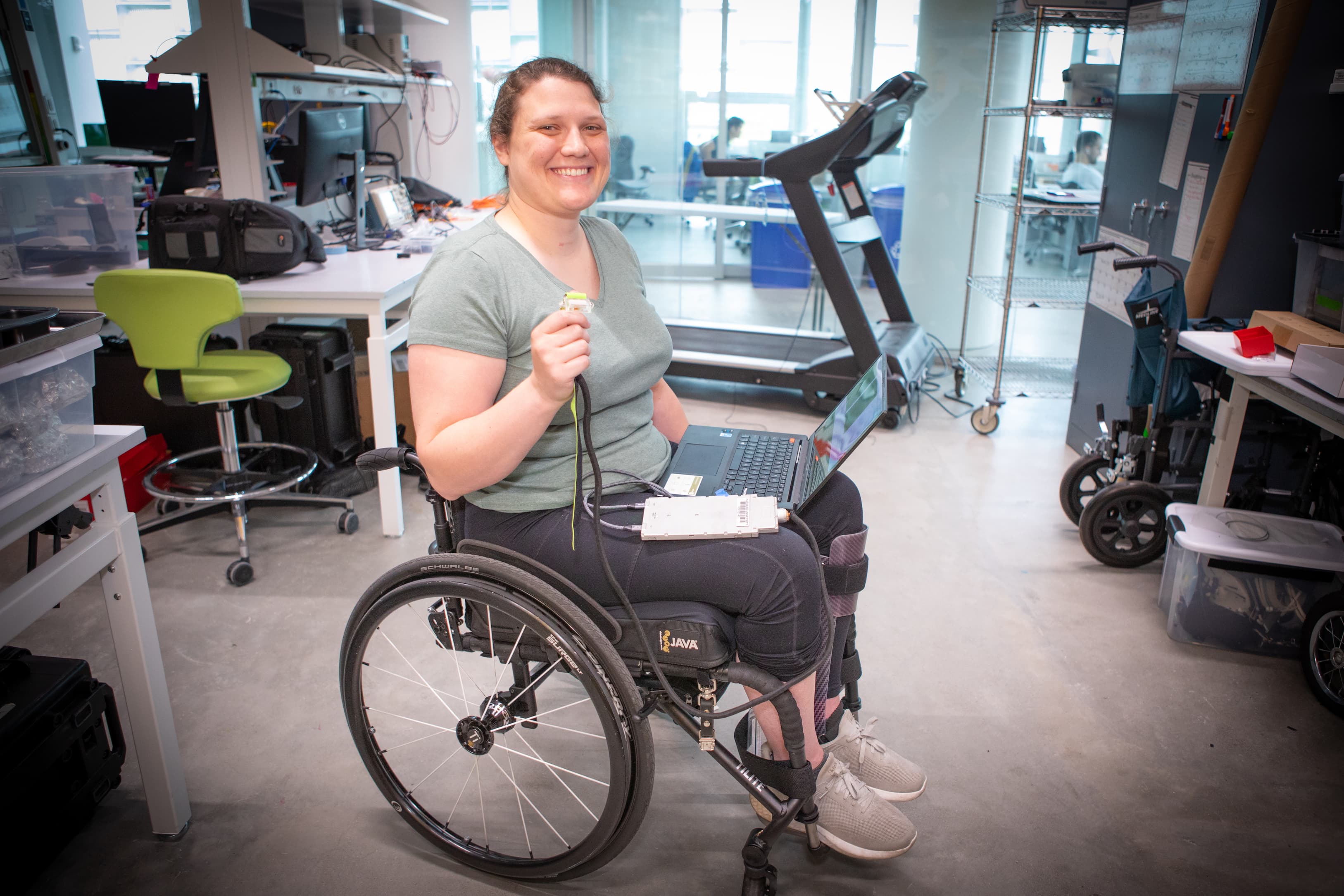
Weight is the first signal, not the last. Canary MedTech is building an accessible monitoring platform for people whose bodies don't fit the assumptions built into standard medical equipment.
Each device we add makes the same trade: remove the physical barrier first, then make the reading easy to keep, share, and act on over time.
Weight at home
Fold captures a roll-on reading and builds a history you can actually keep.
Weight in care settings
Slate brings the same reading into rehabilitation, clinical, and long-term care rooms.
Blood pressure
Accessible cuff-based monitoring designed around seated and supported positioning.
Cardiac signals
Heart-rate and rhythm monitoring that fits the same accessible workflow.
Signals beyond weight are on our roadmap and are not yet available for purchase.
Designed with the people who live this every day.
Every Canary product is shaped by real roll-on use with wheelchair users, Veterans, advocates, caregivers, and clinicians — not by assumptions made in a product lab.
Roll-on testing, in person
Prototypes get used by real wheelchair users in real sessions before anything is finalized.
Clinical and research input
Rehabilitation, seating, and research perspectives inform how the products behave in professional rooms.
Claims only when verified
We publish specifications and performance data once validated, and we say plainly what is not yet claimed.

“We need to have this in every hospital and school — anywhere they need to know a weight and have no other way of knowing.”
Recorded during in-person roll-on testing with wheelchair users, Veterans, advocates, and caregivers.
Built alongside the people who know the problem.
Canary MedTech's technology has been shaped through collaboration with wheelchair users, rehabilitation professionals, researchers, clinicians, advocates, and organizations serving people with mobility limitations.
These relationships help us understand not only whether our technology works, but whether it fits real environments and real workflows.





We started with one question nobody had a good answer to.
How does someone who uses a wheelchair get weighed at home? The answers we found were expensive, institutional, or nonexistent. So we built the thing that should have existed already — and then built the professional version care teams kept asking us for.
